Pumps, triggers, closures and presentation-sensitive parts
Review surface appearance, moulding variation, cleanability, changeovers and the downstream capping or assembly interface.
Explore the corporate application →
Manufacturing applications · UK support
Component feeding systems for automotive, electronics, medical, packaging, cosmetics and automated assembly applications across UK manufacturing.
Browse by industry
Industry context matters, but the real component and accepted output ultimately determine the feeding principle.
Application guideAutomotive parts feeders for clips, connectors, seals, fasteners, pressings and moulded components, engineered for automated assembly and inspection.
Explore application →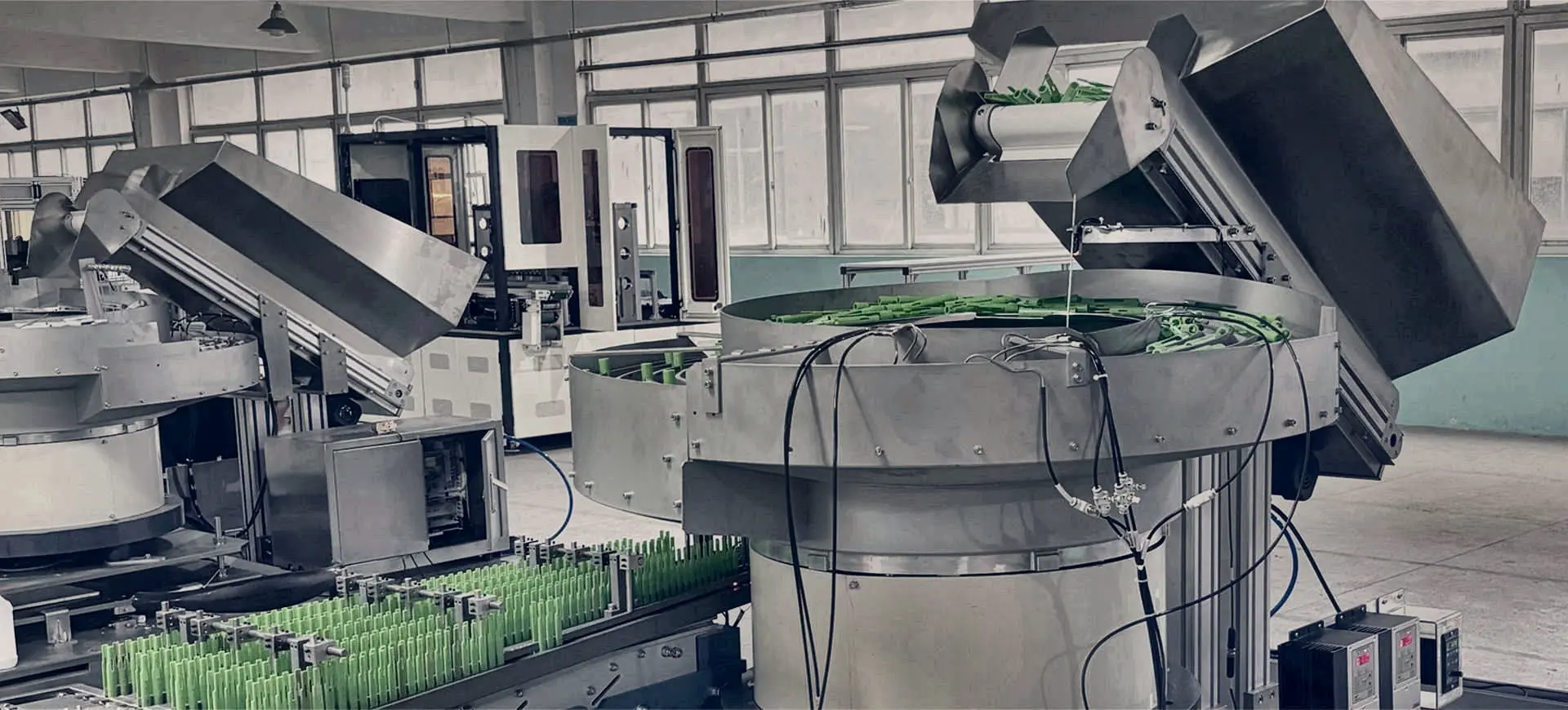 Application guide
Precision feeding systems for electrical terminals, contacts, housings, connectors and small electronics components with vision and robot integration.
Explore application →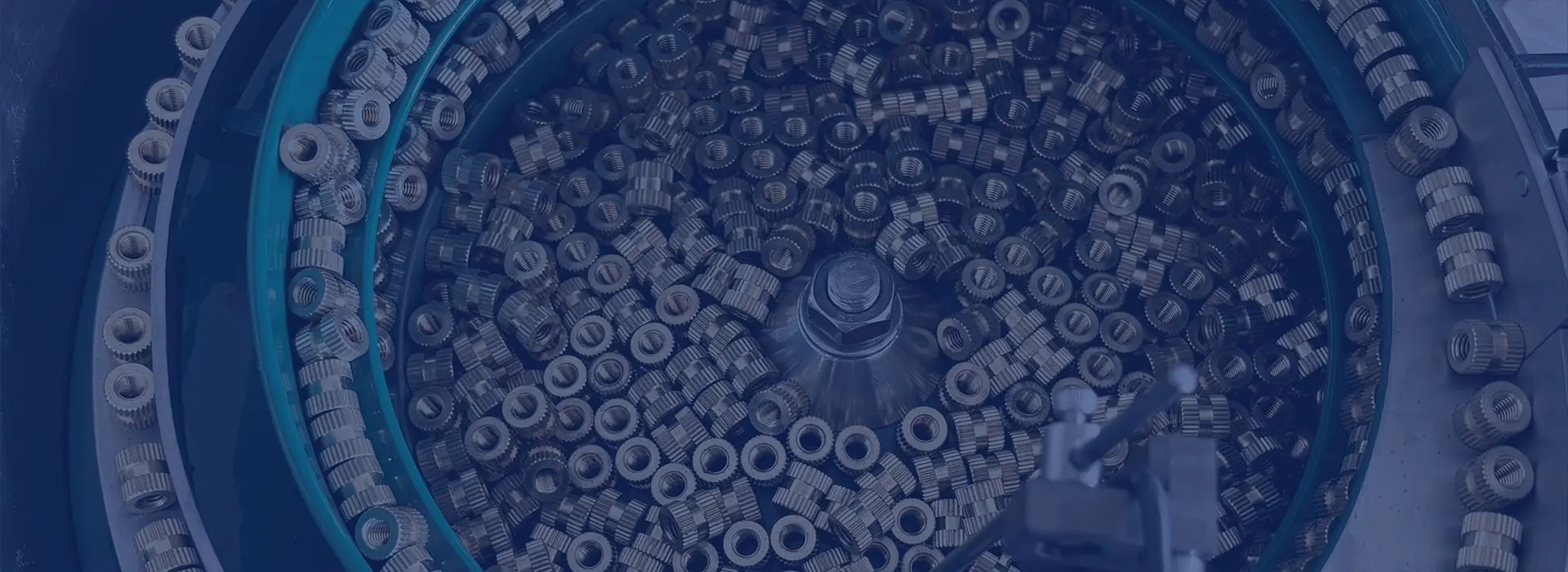 Application guide
Medical and pharmaceutical component feeding systems designed around cleanability, controlled contact, inspection, validation evidence and reliable presentation.
Explore application →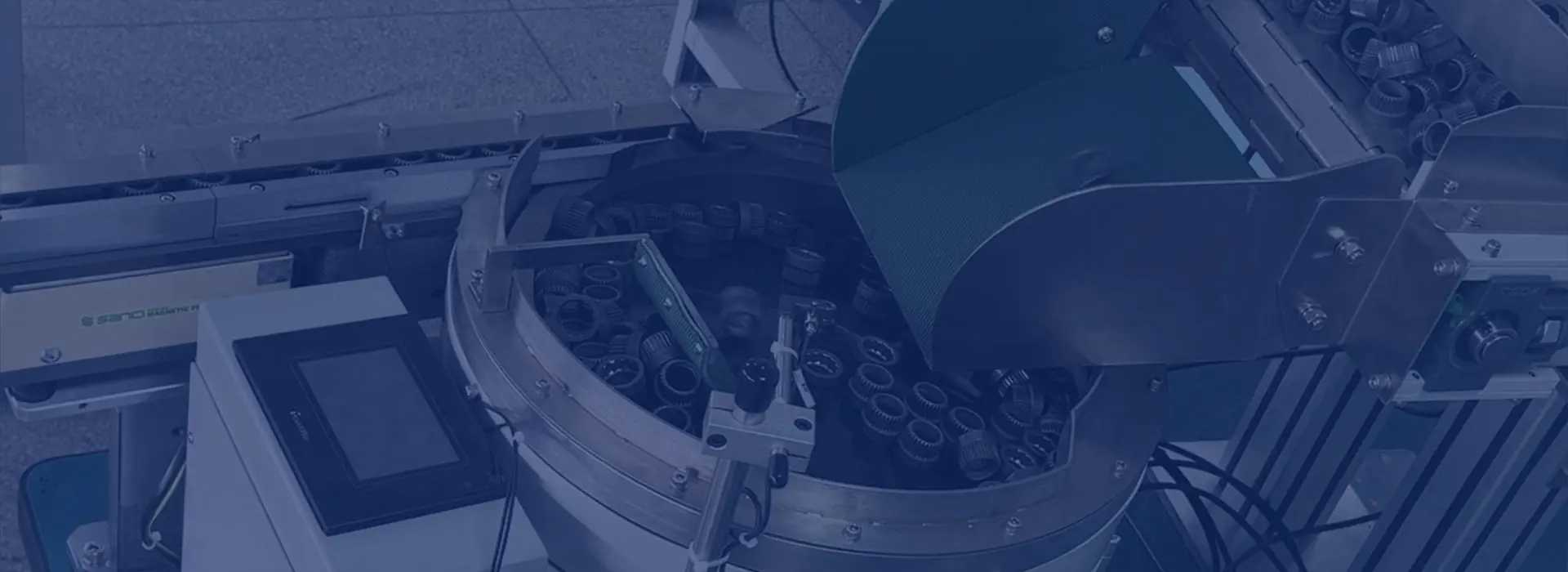 Application guide
Automated feeding systems for caps, closures, fitments, scoops, valves and packaging components, with high-flow sorting and controlled line delivery.
Explore application →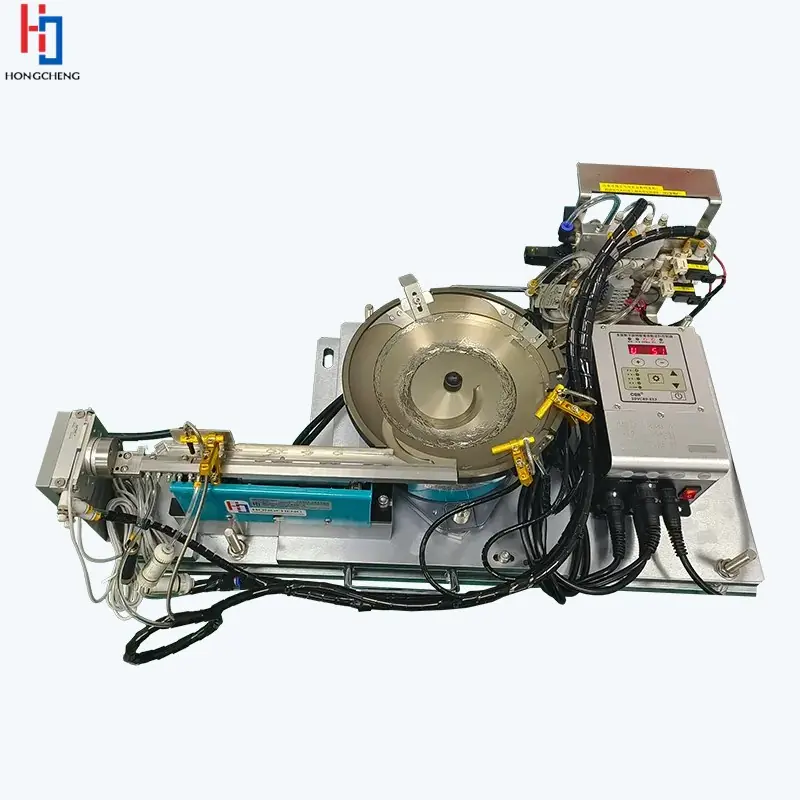 Application guide
Automatic feeding and presentation systems for screws, nuts, washers, pins and inserts, including bowls, step feeders, tracks and escapements.
Explore application →General manufacturingBespoke feeding and orientation for plastics, metal components, consumer products and production parts that need a controlled machine hand-off.
Explore custom feeders →Machine integrationCoordinate the mechanical hand-off, buffer, sensors, PLC signals, guarding and commissioning as one production interface.
Read integration guide →Behaviour-led application routes
Industry context matters, but the component's real behaviour still decides the feed path. Hygiene, cosmetic finish, tack, static, oil, tangling and normal production variation must be included in the application review.
Review surface appearance, moulding variation, cleanability, changeovers and the downstream capping or assembly interface.
Explore the corporate application →Define materials, contact boundaries, cleaning method, foreign-body controls and the exact packaging-machine hand-off.
Explore the corporate application →Start with the observed tangling, nesting, sticking, marking or overlap before selecting a feeder principle.
Open the difficult-parts guide →A feeder can establish one-part flow before a sensor, gate or downstream counting and kitting process.
Review counting and kitting →Straight answers
Final suitability and performance are confirmed against the actual part and agreed trial criteria.
Component feeders are used before automated assembly, inspection, counting, packaging, machine loading, pressing, fastening and robot pick-and-place. The required presentation at the next process determines the feed path.
Yes, but the details change. A bowl, step or flexible feeder may appear in several industries, while contact materials, cleaning, traceability, changeover, surface protection and acceptance evidence remain application-specific.
Tangling, nesting, unstable geometry, soft or tacky materials, cosmetic surfaces, static, oil, broad component variation and a demanding downstream hand-off all increase application risk and should be tested with representative parts.
Start an application review
Share photographs or drawings, variants, material and finish, required orientation, target sustained output and details of the receiving machine.