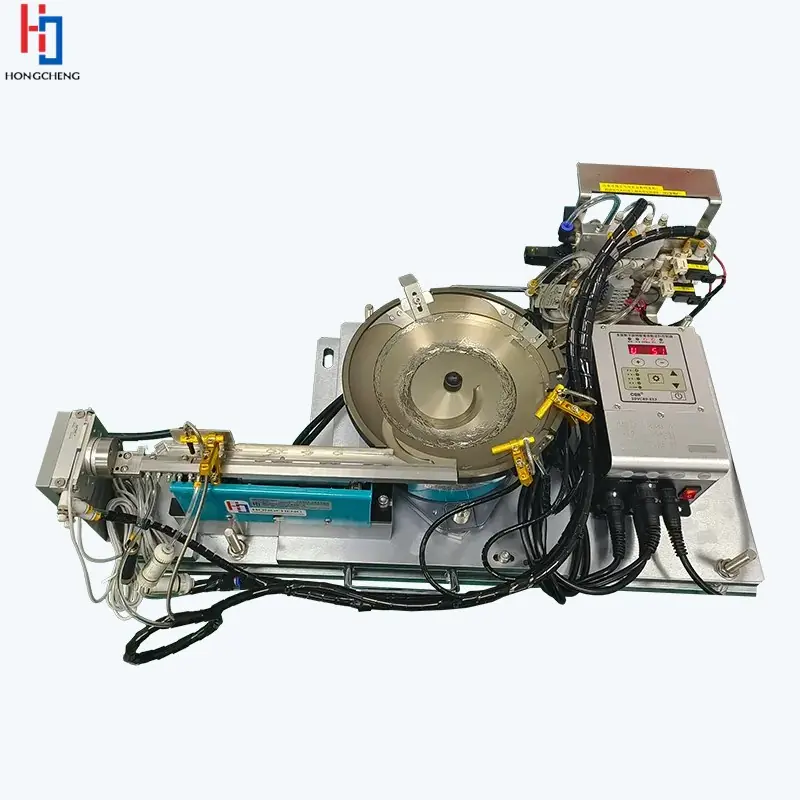
Safe diagnostic route
Do not begin by increasing vibration or speed. Isolate the machine safely, record the exact symptom and compare the current component, setup and downstream demand with the last known good production condition.
Separate feeder symptoms from line symptoms
Low output at the machine may be caused by poor bulk replenishment, unstable orientation, excessive recirculation, a blocked track, incorrect escapement timing or downstream demand logic. Measure accepted parts at the agreed hand-off rather than judging movement inside the feeder.
New supplier, mould cavity, burr, finish, oil or static condition.
Wrong recipe, amplitude, air setting, guide or change part.
Wear, loose fastener, dirt, damage or altered clearance.
Blocked chute, sensor position, demand signal or escapement timing.
A practical diagnostic sequence
Confirm the approved part and recipe. Check bulk level and controlled replenishment. Inspect accessible tooling, tracks and sensors for contamination, wear or damage. Observe where orientation is lost or recirculation increases. Then check the queue, escapement and machine demand signal.
Make one controlled change at a time and record the result. Repeated adjustment without a baseline can hide the original cause and make recovery harder.
When to stop and request engineering support
Stop if guarding must be removed without an approved safe method, if electrical or pneumatic work is required, if tooling is damaged, if the component specification has changed, or if normal settings no longer achieve the validated output. A structured fault report with photographs, video, part batch and event timing speeds up diagnosis.
Choose service, retooling or replacement from the cause
If approved cleaning, settings and checks do not restore the feeder, the next route may be servicing, refurbishment, relining or recoating, part-specific retooling, controls renewal or replacement. Do not mask worn tooling or changed part behaviour by repeatedly increasing vibration.
Prevent repeated faults
Keep approved settings, changeover checks, cleaning points, wear limits, critical spares and sample references with the machine documentation. Trend recurring jams and interventions instead of treating each stoppage as an isolated event.